


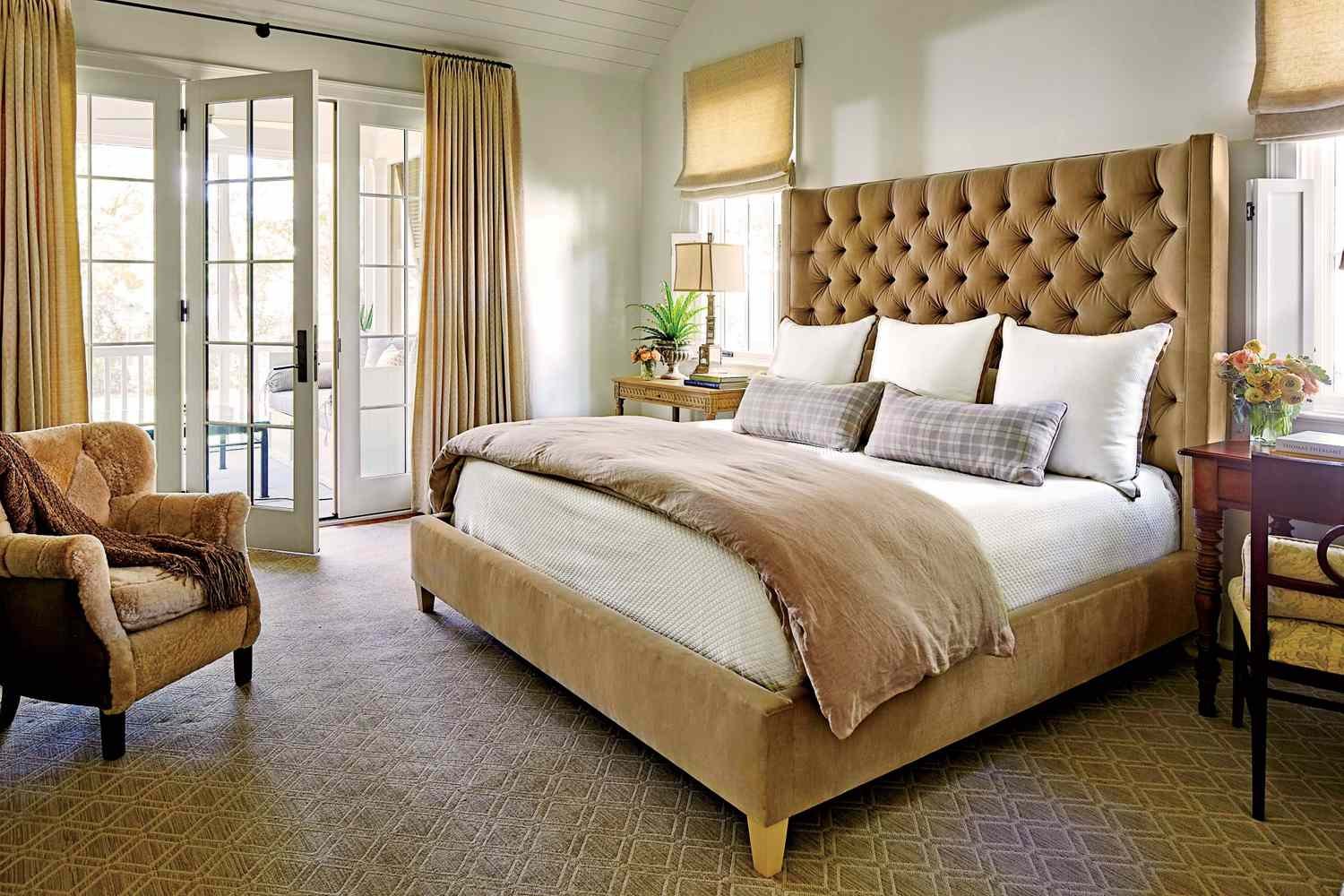
Master Bedroom Design
Master Bedroom Design Tips
Designing a great master bedroom is not really about chasing trends. It is about making the room feel calm, comfortable, useful, and expensive in the right way. In London homes especially, that matters. Bedrooms are often working harder than they used to: they need to sleep well, store more, look good in photos, and sometimes even squeeze in a dressing spot or a quiet corner.
The good news is that you do not need a huge footprint to make a master bedroom feel better. In most cases, the biggest wins come from getting the layout right, improving lighting, cutting clutter, and spending in the places that genuinely change how the room works.
Start with how you want the room to feel

Before choosing paint or buying furniture, decide what the room needs to do for you.
For some London homeowners, the priority is simple: better sleep. For others, it is storage. For others, it is creating a more polished, hotel-style bedroom that feels finished at last. That starting point matters, because the best master bedrooms are not just pretty. They solve a problem.
If your room always feels messy, your issue is probably storage and layout. If it feels cold and flat, your issue is likely lighting and texture. If it looks tired, the answer may be paint, flooring, and better window dressings rather than a full redesign.
A lot of people start by shopping for a bed frame or wardrobes. I would do the opposite. Start with flow, proportions, and function first. Once those are right, style becomes much easier.
Get the layout right before you buy anything

A master bedroom nearly always looks better when the bed sits in the strongest visual position in the room. Usually that means centred on the main wall, with enough space to move around both sides. It does not have to be perfectly symmetrical, but it should feel balanced.
In many London homes, the room itself gets in the way. Chimney breasts, alcoves, bay windows, sloped loft ceilings, and narrow Victorian proportions can all make furniture placement awkward. Instead of fighting those features, use them.
Use awkward features to your advantage

Alcoves are often ideal for fitted wardrobes or built-in shelving. A bay window can become a dressing table zone or reading corner. Sloped ceilings can work brilliantly with low storage, a window seat, or made-to-measure joinery.
One of the most common mistakes I see is homeowners filling every wall with furniture. That makes the room feel tighter, not better. Good bedroom design leaves breathing room. In practice, that means protecting walking space, keeping the bed area visually calm, and making sure the room has a clear purpose.
Rightmove’s selling advice makes a similar point from a buyer’s perspective: rooms show better when they have a clear purpose and enough visible floor space for buyers to understand how the room works. (Rightmove)
Composite homeowner example
A couple in a Victorian terrace in east London had a master bedroom with two alcoves and a bulky freestanding wardrobe that stuck far into the room. Instead of replacing it with another large wardrobe, they commissioned fitted joinery into one alcove and swapped a heavy chest for slim bedside shelves. The room did not get physically bigger, obviously, but it looked bigger, moved better, and photographed much better when they later listed the property.
Choose calming colours, not just fashionable ones

A master bedroom should feel restful first and stylish second.
The safest winners for London homes are still warm neutrals, muted greens, soft taupes, dusty blues, and gentle grey-beiges. These shades work because they make the room easier to layer. They also sit well with both modern flats and older period properties.
Bright white can work, but only if the room gets good natural light and the rest of the scheme adds warmth. Otherwise, it can feel stark. Very strong reds, intense cool greys, and too many contrast colours usually work against a restful bedroom.
What makes a bedroom look designed is not only the wall colour. It is the mix of finishes around it: upholstery, curtains, rugs, cushions, wood tones, lampshades, and the softness of the light in the evening. (For chosing the right color for your room, read our colour pallete article – How to Use the Colour Wheel to Choose the Best Colour Palette for Any Room)
A simple rule that helps
If you are unsure, keep the walls calm and add character through texture. That is usually a better long-term move than committing to a very trendy paint colour you may be tired of in 18 months.
Lighting is what makes the room feel expensive

If you only change one thing in a master bedroom, change the lighting.
A single central ceiling fitting almost never makes a bedroom feel good. The best bedrooms use layers:
- ambient lighting for the overall room
- bedside lighting for reading and atmosphere
- accent lighting for wardrobes, art, or panelling
Wall lights or pendant drops beside the bed are especially useful in London bedrooms where bedside table space is tight. Dimmers also make a huge difference. Bedrooms should not feel lit like kitchens.
Warm lighting matters too. A softer, warmer bulb makes paint colours, fabrics, and skin tones look better. It is one of the cheapest ways to make a room feel more luxurious.
Do not ignore blackout and privacy
Window treatments are part of lighting design. If the bedroom is bright too early in the morning or overlooked at night, the room will never feel finished. Blackout blinds behind curtains are one of the most effective combinations. They improve sleep, soften acoustics, and give the room a more complete look.
Storage is the real luxury in a London bedroom

In smaller London homes, storage is often what separates a room that feels premium from one that feels frustrating.
This is why fitted wardrobes are so popular. They use awkward areas properly, reach ceiling height, and create a cleaner look than piecing together freestanding furniture. Current UK pricing guides put fitted wardrobes broadly in the £1,500 to £7,000 range, with average projects around £2,600, though London quotes often land toward the upper end because urban labour rates tend to be higher. (MyJobQuote)
That does not mean every bedroom needs bespoke joinery. Sometimes an ottoman bed, better internal wardrobe organisers, and less furniture in the room will make just as much difference.
Storage ideas that usually work well
Use ceiling-height wardrobes where possible. Choose bedside furniture with drawers. Consider an ottoman bed for spare bedding and seasonal clothing. Keep open shelving to a minimum unless you are naturally tidy, because open storage can quickly turn visual clutter into the main design feature.
Composite homeowner example
One homeowner in a Clapham flat thought she needed a full bedroom overhaul. In reality, the breakthrough came from three simpler changes: a storage bed, made-to-measure blackout blinds, and removing a second chest of drawers. The room instantly felt calmer. When she later spoke to her estate agent, the feedback was that the bedroom looked bigger and more “move-in ready,” which is exactly the kind of impression that helps during viewings.
Invest in the parts that improve sleep
A stylish bedroom that does not sleep well is not a success.
This is why the most effective master bedroom upgrades are often practical:
- better blackout
- less clutter
- quieter flooring
- a softer headboard
- warmer textiles
- fewer draughts
- more comfortable lighting
If the room feels chilly or draughty, energy-efficiency improvements can help comfort as much as style. GOV.UK recommends measures such as insulation and draught-proofing to make homes cheaper to heat and keep warm, while Energy Saving Trust notes that draught proofing can improve comfort and reduce energy bills when done sensibly with proper ventilation in mind. (GOV.UK)
Carpet or hard flooring?

Both can work. Carpet usually wins for warmth, softness, and underfoot comfort. Hard flooring can look cleaner and more contemporary, especially in period homes or allergy-conscious households, but it often needs a large rug to stop the room feeling cold.
For resale, this is not really about right or wrong. It is about quality, condition, and whether the room feels cared for.
Add character, but do not overcrowd the room
The master bedroom should have personality, but it should not feel overdecorated.
A few features go a long way:
- simple wall panelling behind the bed
- an upholstered headboard
- oversized artwork
- matching bedside lighting
- layered bedding in different textures
- one or two well-chosen accent colours
What I would avoid is a room full of tiny decorative items, too many competing materials, or oversized furniture that makes the space feel squeezed.
The nicest master bedrooms usually feel edited. That is the word I would use. Not empty, not plain, just edited.
What does a master bedroom makeover cost in London?
Prices vary a lot depending on room size, finish level, and how much work is involved, but these current UK averages are a helpful baseline. London projects often come in at the upper end of national ranges because labour rates in urban areas tend to run higher. (mybuilder.com)
| Upgrade | Typical current UK average |
|---|---|
| Paint a standard bedroom | about £250–£400 for a small bedroom, around £400 for a 12m² room |
| Carpet supply and fitting | around £400 average for a standard room |
| LVT flooring installation | around £1,100 average project cost |
| Fitted wardrobes | roughly £1,500–£7,000, average around £2,600 |
| Curtains including fitting | around £40–£400 per window depending on size and spec |
| Blinds | roughly £15–£140 for many standard blind options, before any premium upgrades |
These figures are based on current UK pricing guides for bedroom painting, carpet fitting, LVT flooring, fitted wardrobes, curtains, and blinds. (MyJobQuote)
A useful way to think about budget
A budget refresh usually means paint, lighting, blinds or curtains, and better styling.
A mid-range makeover often includes flooring, a new bed, upgraded storage, and some electrical changes for better lighting.
A premium transformation is where fitted wardrobes, bespoke joinery, panelling, rewiring, and a fully coordinated scheme come into play.
Can a better master bedroom add value to your home?
A bedroom redesign rarely adds value in the same dramatic way as a new kitchen extension or a loft conversion. But it can absolutely improve buyer appeal and day-to-day usability.
That matters. Zoopla says staging your home can attract buyers, speed up the sale, and may help achieve a higher price. Rightmove’s seller guidance also stresses giving rooms the right purpose and clearing enough space so buyers can easily understand the room. (Zoopla)
So the upgrades that usually help most are not necessarily the flashiest ones. They are the ones buyers understand instantly:
- better storage
- better lighting
- cleaner decoration
- a room that looks larger and calmer
- quality flooring
- a clear bedroom layout
What tends to add the most practical value
Fitted storage is a strong one in London because it solves a real space problem. Neutral decorating helps the room appeal to more buyers. Good blackout and curtains make the room feel finished. And removing furniture that is too large for the room can be surprisingly powerful.
Composite homeowner example
A homeowner in Walthamstow did not do a full renovation. She repainted in a warm neutral, installed fitted wardrobes into the alcove, replaced harsh cool bulbs with dimmable bedside wall lights, and swapped heavy patterned curtains for a calmer layered blind-and-curtain setup. When the home went on the market, her agent’s feedback was that the principal bedroom felt like a premium feature rather than “just another room.” That kind of response does not guarantee a specific uplift, but it does support stronger presentation.
Pros and cons of redesigning a master bedroom
Pros
A better master bedroom can improve sleep, reduce clutter, increase usable storage, and make the whole home feel more polished. It can also help the property show better in photos and viewings.
Cons
Good joinery is expensive. London labour can push costs up. It is easy to overspend on features that look impressive but do not really improve the room. And trend-heavy choices can date more quickly than people expect.
Common master bedroom mistakes to avoid
Oversizing the bed
A king-size bed is not automatically the right answer. In some London rooms, a double with better circulation feels far more luxurious.
Relying on one ceiling light
This is probably the fastest way to make a bedroom feel unfinished.
Buying furniture piece by piece without a plan
That usually creates clutter rather than design.
Ignoring ceiling height
If your wardrobes stop awkwardly below the ceiling, they often make the room look shorter and less bespoke.
Treating the bedroom as storage overflow
Once gym equipment, laundry, office supplies, and random boxes move in, the room stops feeling restful.
Final thoughts
The best master bedroom design tips are not especially mysterious. Plan the layout first. Keep the colour palette calm. Layer the lighting. Give storage real thought. Spend money where the room will feel different every single day.
For London homeowners, that usually means focusing on space, light, comfort, and clutter control rather than trying to recreate a giant showroom bedroom that only works in a much bigger house.
Done well, a master bedroom redesign does two jobs at once: it makes your everyday life better, and it helps the home feel more appealing, more finished, and more valuable when the time comes to sell.
FAQ
What is the best colour for a master bedroom?
Usually something soft and calming: warm neutrals, muted greens, soft taupes, or dusty blues. The best choice is the one that helps the room feel restful in both daylight and lamplight.
Are fitted wardrobes worth it in a London home?
Often, yes. They are especially useful where space is tight or the room has awkward alcoves. They tend to use the footprint better than freestanding furniture and can make the room look tidier and more premium. Current UK pricing guides put them roughly in the £1,500 to £7,000 range, depending on size and finish. (MyJobQuote)
How much does it cost to redesign a master bedroom in London?
It depends on scope. A simple refresh might just involve decorating, lighting, and window treatments. A bigger redesign with flooring and storage can move into the low thousands, and bespoke work can go much higher. London projects often sit at the upper end of national rates. (mybuilder.com)
Does a better bedroom add value?
Usually through buyer appeal rather than a guaranteed fixed uplift. Better presentation, better storage, and a clearer room layout can make a home easier to market and more attractive in viewings. (Zoopla)
Is carpet or hard flooring better for a bedroom?
Carpet is usually warmer and softer. Hard flooring can look cleaner and more modern, especially with a large rug. The right choice depends on the look you want and how the room is used.
What lighting works best in a master bedroom?
Layered lighting: ceiling lighting, bedside lighting, and something softer or decorative. Dimmers help more than most people realise.
How can I make a small master bedroom look bigger?
Use fewer pieces of furniture, choose better-scaled furniture, keep the palette calm, improve lighting, and prioritise closed storage. Fitted wardrobes and clear floor space make a huge difference.
What is the most cost-effective bedroom upgrade?
Usually paint, better lighting, decluttering, and improved curtains or blinds. Those changes often shift the feel of the room more than people expect.
Should I go bold or keep it neutral?
If you love bold design and you are staying long-term, go for it in controlled ways. If resale is on your mind, a calmer scheme with character added through texture is usually the safer move.
Can warmth and draught-proofing really improve a bedroom?
Yes. Draught-proofing and insulation can make bedrooms more comfortable and cheaper to heat, as long as ventilation is still handled properly. (GOV.UK)